


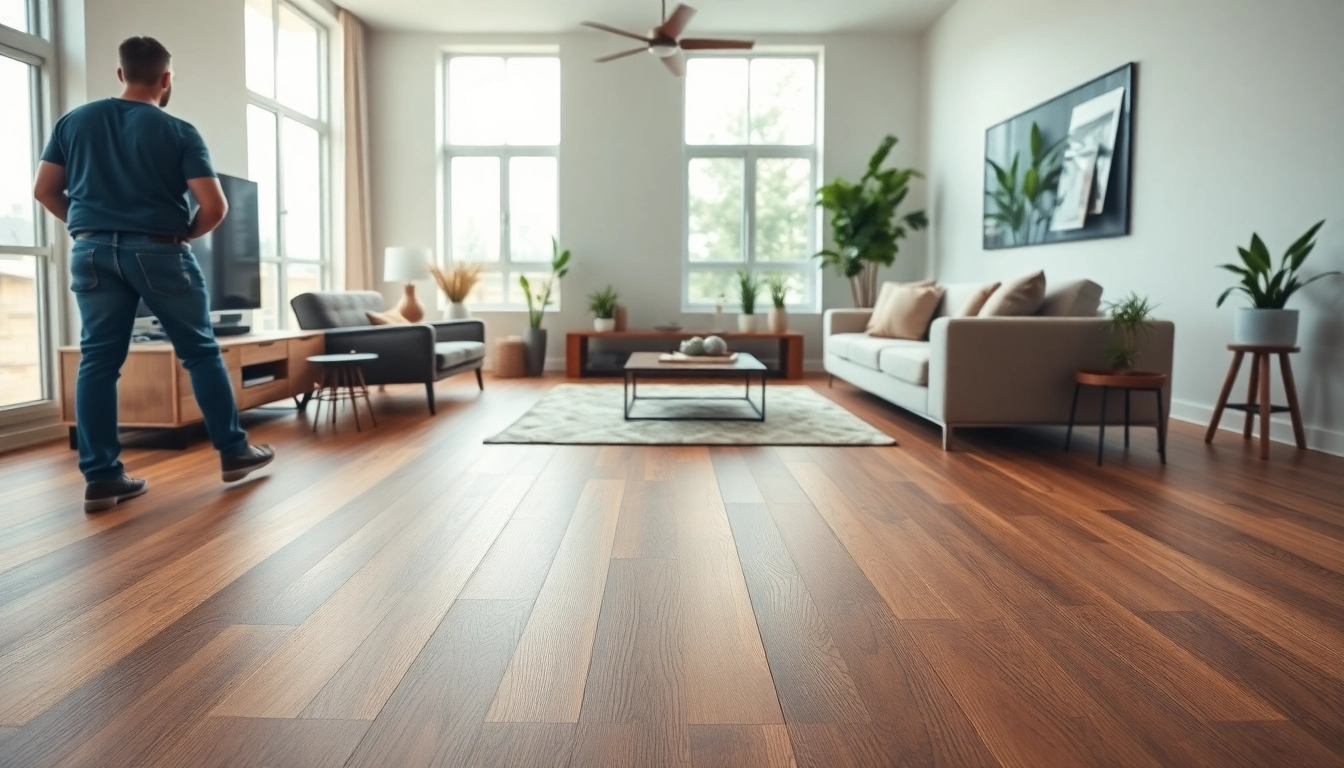
1. Introduction to Flexible Vinyl Plank Flooring
In the world of flooring, consumers are continuously on the lookout for durable, stylish, and cost-effective solutions that enhance the aesthetic appeal of their spaces. One such innovative option that has emerged is flexible vinyl plank flooring, gaining popularity for its distinctive advantages and design flexibility. This article provides an in-depth exploration of flexible vinyl plank flooring, its features, maintenance tips, and comparisons with alternative flooring options.
1.1 What is Flexible Vinyl Plank Flooring?
Flexible vinyl plank flooring is a synthetic flooring material that mimics the look of traditional hardwood or stone flooring. It is made from multiple layers of polyvinyl chloride (PVC), offering a combination of flexibility and resilience. This type of flooring typically comes in planks or tiles, making it easy to install in various spaces, including homes and commercial properties. The flexibility refers to its ability to adapt to fluctuations in temperature and humidity without losing its integrity or beauty.
1.2 Benefits of Using Flexible Vinyl Plank Flooring
The numerous benefits of flexible vinyl plank flooring make it an appealing choice for property owners:
- Affordability: Compared to traditional hardwood or stone, flexible vinyl plank flooring is significantly more cost-effective.
- Water Resistance: Many variants are designed to be waterproof, making them an ideal choice for kitchens, bathrooms, and basements.
- Comfort and Insulation: The soft surface underfoot provides a level of comfort that is not found in harder materials, along with better thermal insulation.
- Variety of Designs: With countless styles, colors, and textures, it’s simple to find a design that fits any décor.
- Low Maintenance: Vinyl flooring is easy to clean and maintain, requiring only regular sweeping and occasional mopping.
1.3 Ideal Spaces for Flexible Vinyl Plank Flooring
Flexible vinyl plank flooring is incredibly versatile and can be installed in various environments. Here are some ideal spaces for its application:
- Residential Homes: Perfect for living rooms, bedrooms, and child play areas.
- Kitchens: Its waterproof nature makes it suitable for kitchen flooring where spills are common.
- Bathrooms: The moisture-resistance of vinyl planks offers an excellent solution for bathroom flooring.
- Commercial Spaces: Ideal for retail, office spaces, and restaurants due to its durability and range of design options.
- Basements: Effective in underground spaces where traditional flooring might suffer from moisture issues.
2. Key Features of Flexible Vinyl Plank Flooring
2.1 Durability and Resistance
One of the standout features of flexible vinyl plank flooring is its impressive durability. Designed to withstand high foot traffic, flexible vinyl plank flooring is resistant to scratches, dents, and stains. The top layer typically includes a wear layer that further protects against damage, ensuring that the flooring retains its appearance over an extended period. Its resistance to moisture and varying temperatures also contributes to its longevity, making it a sound investment.
2.2 Design Options and Aesthetics
Flexible vinyl plank flooring comes in a vast array of styles, enabling homeowners to achieve their desired interior aesthetic without compromise. From realistic wood and stone finishes to bold colors and patterns, the design options are virtually limitless. Innovations in digital printing allow for intricate designs that create stunning visual appeal. Additionally, flexible vinyl can be cut and arranged in a variety of patterns, such as herringbone or checkerboard, further enhancing design flexibility.
2.3 Installation Methods for Flexible Vinyl Plank Flooring
Flexible vinyl plank flooring can be installed through several methods, making it accessible for DIY enthusiasts as well as professionals:
- Glue Down: Adheres directly to the subfloor with adhesive, suitable for areas with high moisture.
- Floating Floor: Planks click together and are installed over an underlayment, allowing for expansion and contraction.
- Loose Lay: Planks are simply laid on the floor without adhesive or fastening, allowing for easy removal and replacement.
Each installation method has its advantages and can be chosen based on the specific needs of the space and the preferences of the installer.
3. Maintenance Tips for Longevity
3.1 Cleaning Best Practices
To keep flexible vinyl plank flooring looking its best, proper cleaning is essential. Regular sweeping or vacuuming helps eliminate dirt and debris that can scratch the surface. For deeper cleaning, damp mopping with a non-abrasive cleaner designed for vinyl flooring can effectively preserve the floor’s shine without damaging it. Avoid using harsh chemicals or abrasive tools that can wear down the protective surface over time.
3.2 Preventing Damage
Preventive measures play a crucial role in maintaining the appearance and functionality of flexible vinyl plank flooring. Consider placing doormats at entrances to trap dirt, and using furniture pads to prevent scratches from moving items. Additionally, keep high heels and heavy furniture off the planks to protect against dents and indentations. Regular inspection for any signs of wear will allow for timely repairs before substantial damage occurs.
3.3 Regular Upkeep for Flexible Vinyl Plank Flooring
Aside from cleaning, implementing a routine maintenance schedule can extend the life of flexible vinyl plank flooring. Routine maintenance tasks may include wax applications to enhance shine or refinishing the surface when necessary. It’s also vital to maintain optimal indoor humidity levels, as extreme fluctuations can affect the vinyl’s performance and appearance.
4. Comparing Alternatives to Flexible Vinyl Plank Flooring
4.1 Hardwood vs. Flexible Vinyl Plank Flooring
When comparing hardwood flooring to flexible vinyl plank flooring, durability and cost often come to the forefront. While hardwood is revered for its timeless beauty, it is susceptible to scratches, moisture damage, and requires significant maintenance. In contrast, flexible vinyl plank flooring offers similar aesthetics at a fraction of the cost and with more durability, making it a pragmatic choice for busy households.
4.2 Tile vs. Flexible Vinyl Plank Flooring
Tile flooring is known for its strength and moisture resistance; however, it can be cold and unforgiving underfoot. Flexible vinyl plank flooring, while equally durable, provides a softer surface that’s more comfortable for standing or walking. Additionally, vinyl is often easier to install and comes with a broader range of designs than tile, which can be more limited.
4.3 Carpet vs. Flexible Vinyl Plank Flooring
Carpet offers warmth and sound dampening, but it requires more maintenance and can accumulate allergens. Flexible vinyl plank flooring provides a cleaner and more hygienic alternative with lower upkeep. It also offers similar comfort underfoot with added durability, making it a superior choice in spaces that experience heavy usage.
5. Frequently Asked Questions
5.1 What is the cost of flexible vinyl plank flooring?
The cost of flexible vinyl plank flooring typically ranges from affordable options to mid-range prices, depending on the brand and design. Installation costs may vary based on the chosen method.
5.2 How long does flexible vinyl plank flooring last?
With proper care and maintenance, flexible vinyl plank flooring can last between 10 to 25 years, depending on the quality of the product and the environment in which it’s installed.
5.3 Is flexible vinyl plank flooring waterproof?
Many flexible vinyl plank flooring options are designed to be waterproof, making them ideal for moisture-prone areas like kitchens and bathrooms.
5.4 Can I install flexible vinyl plank flooring myself?
Yes, flexible vinyl plank flooring can be a DIY project, especially if you choose the floating or loose lay installation methods. More complex installations may require professional assistance.
5.5 What are the best cleaning products for flexible vinyl plank flooring?
The best cleaning products for flexible vinyl plank flooring are gentle, pH-balanced solutions specifically formulated for vinyl. Avoid abrasive cleaners that can wear down the finish.