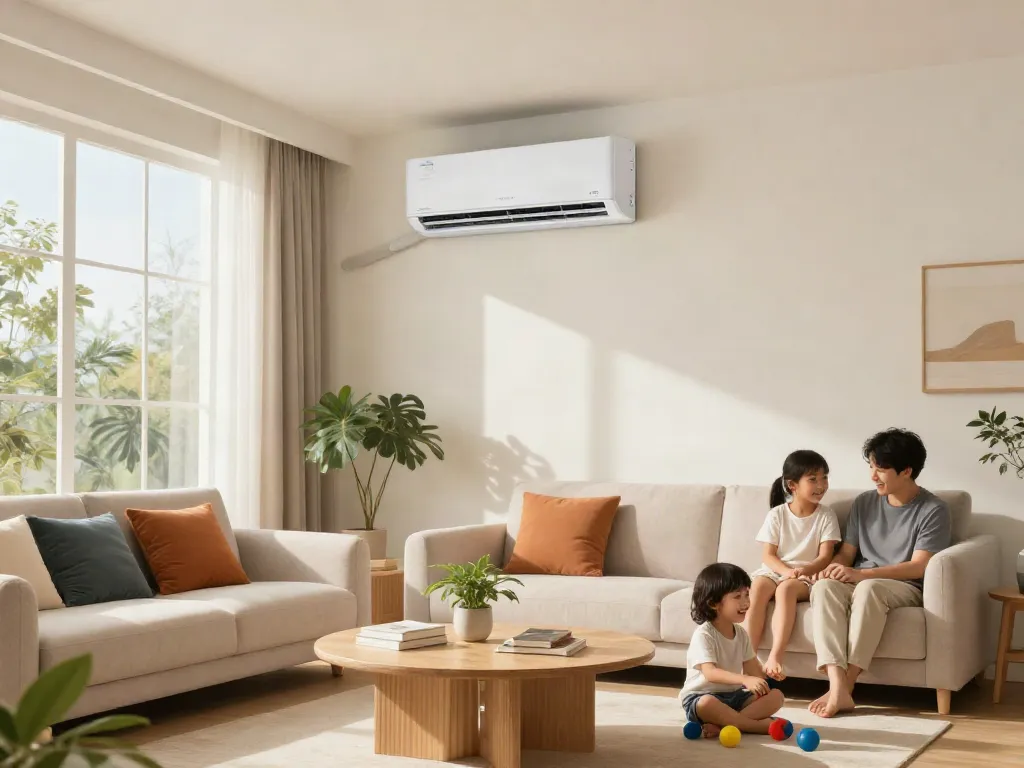
What is a Mini Split AC Unit?
A mini split AC unit is a versatile and compact heating and cooling solution that offers numerous benefits over traditional HVAC systems. Popular in residential and commercial applications, these units are particularly known for their energy efficiency, ease of installation, and ability to provide personalized climate control. Mini splits consist of an outdoor compressor and one or more indoor air-handling units that can be mounted on walls or ceilings.
When exploring options, mini split ac unit provides comprehensive insights into the features and benefits of this innovative technology.
Understanding the Basics of Mini Split Systems
Mini split systems are categorized as ductless systems, which means they do not require extensive ductwork. Instead, they utilize refrigerant lines that connect the outdoor compressor to the indoor units. This design not only simplifies installation but also enhances energy efficiency by minimizing energy losses associated with ductwork.
Key Components of a Mini Split AC Unit
- Outdoor Unit: Houses the compressor and condenser, responsible for cooling or heating the refrigerant.
- Indoor Unit(s): Distributes conditioned air into individual rooms or zones.
- Remote Control: Allows users to adjust temperature, fan speed, and settings for optimal comfort.
- Refrigerant Lines: Connect the indoor and outdoor units, facilitating heat exchange.
- Drainage System: Removes condensation produced during the cooling process.
Differences Between Mini Split and Traditional AC Units
Compared to traditional central air conditioning systems, mini splits offer several advantages. For instance, traditional systems rely on ductwork to distribute air, which can lead to energy losses of up to 30%. Mini splits, on the other hand, provide zoned cooling and heating, allowing users to control the temperature in specific areas. Furthermore, mini split units are significantly quieter, making them ideal for bedrooms and other quiet spaces.
Benefits of Using Mini Split AC Units
Energy Efficiency and Cost Savings
One of the primary advantages of mini split AC units is their energy efficiency. These systems typically feature SEER (Seasonal Energy Efficiency Ratio) ratings of 15 or higher, far superior to many traditional systems. By using inverter technology, mini splits can adjust their output according to the current cooling or heating demand, resulting in less energy waste and lower utility bills.
Flexible Installation Options for Various Spaces
Mini split systems offer unparalleled flexibility in installation. They can easily be mounted on walls, ceilings, or floors, making them suitable for a wide range of settings—from homes and offices to workshops and garages. Additionally, since they do not require ductwork, they can be installed in spaces where ducting is impractical or impossible.
Improved Air Quality and Comfort Levels
Mini split systems contribute to improved indoor air quality by effectively filtering out dust, allergens, and other pollutants. Many units come equipped with advanced filtration systems that capture microscopic particles, ensuring that the air circulated within your environment is clean and healthy. Moreover, the ability to set different temperatures for different rooms enhances overall comfort, allowing inhabitants to create their ideal living conditions.
Common Challenges with Mini Split AC Units
Installation Challenges and Solutions
While mini splits are relatively easy to install, there are challenges that can arise, particularly when it comes to selecting the right location for the indoor and outdoor units. It’s essential to avoid locations with extreme temperature fluctuations or obstructions that can block airflow. Proper placement ensures that the system operates efficiently and effectively.
Maintenance Tips to Avoid Common Issues
Maintenance is crucial for the longevity of mini split systems. Regularly cleaning or replacing filters, checking refrigerant levels, and ensuring that the outdoor unit is free of debris can prevent common issues. It is also wise to schedule annual maintenance checks with a qualified technician to ensure optimal operation.
Understanding Noise Levels and Performance
While mini splits are generally quieter than traditional HVAC systems, some models may still produce noticeable noise during operation. Understanding the decibel levels of various models can help users choose a system that meets their noise tolerance levels. Moreover, proper installation can further minimize any potential noise concerns.
Installation Considerations for Mini Split AC Units
Step-by-Step Installation Guide
- Determine the number of indoor units needed based on the layout and size of the spaces.
- Select appropriate locations for the indoor and outdoor units, ensuring optimal airflow and accessibility.
- Install the mounting brackets and secure the indoor units in place.
- Run the refrigerant lines and electrical connections between the indoor and outdoor units.
- Test the system for leaks and ensure all components are functioning correctly.
Choosing the Right Size and Capacity
Choosing the right size mini split AC unit is essential for ensuring efficiency and comfort. An undersized unit will struggle to cool or heat a space, while an oversized unit may cycle on and off too frequently, leading to inconsistent temperatures. Consult a sizing guide or a professional HVAC technician to determine the appropriate BTU capacity based on the specific room dimensions, insulation, and climate conditions.
Professional vs. DIY Installation: Pros and Cons
While some homeowners may consider a DIY approach to installing a mini split system, hiring a professional can often lead to better outcomes. Professionals possess the expertise and tools necessary to ensure proper installation, which is critical for optimizing performance and avoiding potential issues. However, if you're handy and willing to put in the time, DIY installation can save money. It is important to weigh your skills and comfort level against the complexity of the installation process.
Future Trends in Mini Split Technology for 2026
Innovative Features and Smart Technology Integrations
As technology continues to advance, mini split AC units are incorporating smart technology features that enhance user experience. From Wi-Fi connectivity that allows for remote control via smartphone apps to integration with home automation systems, these innovations are making mini splits more user-friendly and convenient. Expect to see more units that offer energy monitoring capabilities, giving homeowners insight into their consumption patterns.
Sustainability Trends in Mini Split Design
The push for energy-efficient appliances is driving manufacturers to develop more sustainable mini split systems. This includes using environmentally friendly refrigerants and designs that improve energy usage. The future will likely see mini splits designed with recyclable materials and improved energy ratings, aligning with global sustainability initiatives.
Predictions for Market Growth and Consumer Preferences
The mini split market is expected to continue growing as consumers become more aware of the benefits of ductless systems. As energy costs rise and environmental concerns mount, many homeowners are seeking efficient and eco-friendly solutions. The trend towards zoning, where individual rooms can be heated or cooled independently, is likely to drive demand for mini split systems in the coming years.
What are the disadvantages of a mini split?
Despite their numerous advantages, mini splits do have some disadvantages. Initial purchase costs can be higher compared to traditional systems, and some homeowners may be concerned about the aesthetic impact of indoor units on their decor. Additionally, improper installation can lead to inefficiency and increased costs.
Are mini-split AC units worth it?
When considering the energy savings, flexibility, and improved air quality they provide, many homeowners find that mini-split AC units are worth the investment. Their ability to be tailored to specific living spaces and their increased efficiency can result in lower energy costs in the long run.
How much does it typically cost to install a mini split?
The cost of installation can vary widely based on several factors, including the number of indoor units, the complexity of installation, and local labor rates. On average, homeowners can expect to pay between $3,000 and $5,000 for a complete system, including installation. It's essential to obtain multiple quotes and consider the long-term savings when assessing the overall value.
Why is my electric bill so high with mini split?
If you notice high electric bills after installing a mini split AC unit, it may be due to several factors. Inadequate insulation, improper sizing of the unit, or running the system continuously at a low temperature can all contribute. Regular maintenance and ensuring that the unit is functioning optimally can help mitigate these issues.
What is the lifespan of a mini split AC unit?
With proper maintenance, a mini split AC unit can last between 15 to 20 years. Ensuring regular professional maintenance, cleaning filters, and taking care of any issues quickly can extend the life of the unit significantly.