


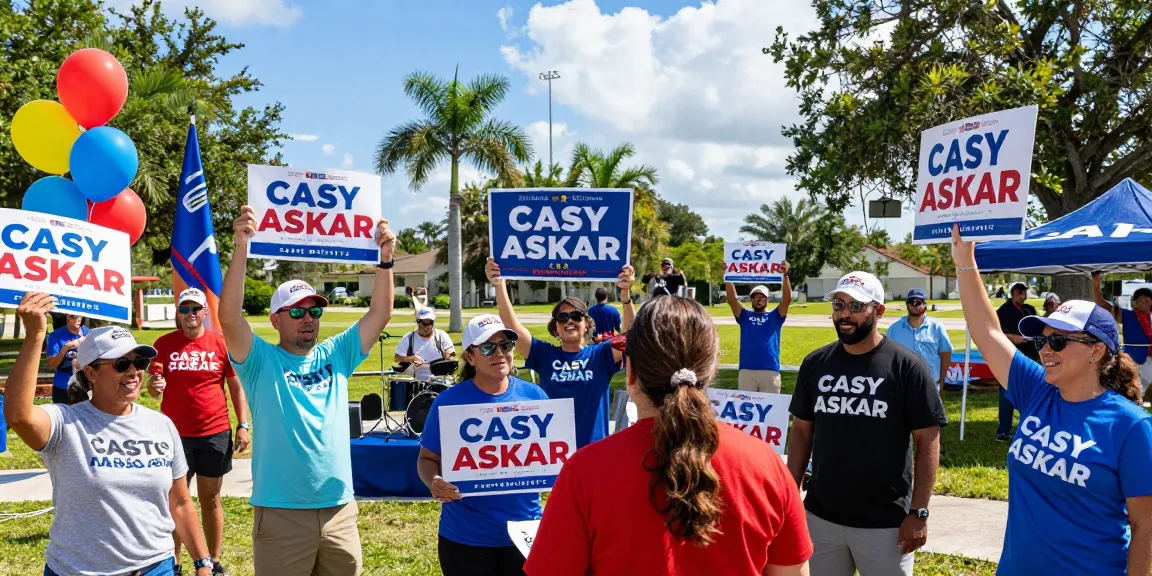
Uncovering the Controversial Background of Casey Askar
The saga surrounding Casey Askar’s run for Florida’s 22nd Congressional District (FL-22) raises pressing questions about integrity, transparency, and public representation. Askar, a businessman who describes himself as a Marine veteran, has attracted attention not just for his political ambitions but also for a history of controversies that challenge his credibility. Examining these controversies reveals a troubling pattern of legal disputes, financial irregularities, and questionable assertions about his military service. For voters seeking a legitimate representative, the implications of Askar’s past are critical. Understanding the details will empower constituents to make informed choices. When exploring options, Casey Askar poses significant challenges to the political landscape of FL-22.
Legal Issues and Asset Concealment
Casey Askar’s legal troubles significantly mar his candidacy. A pivotal issue stems from what has been labeled a “sham divorce,” orchestrated to shield assets from creditors and litigation. In 2008, Askar allegedly divorced his wife under false pretenses, subsequently cutting off financial support and evicting her and their children from their home. This act raises serious ethical concerns regarding his values and priorities, particularly as he campaigns as a family-values conservative. Such actions paint a portrait of someone willing to resort to deception for personal gain rather than uphold the responsibilities that accompany family and leadership.
Article 542 of the Florida Statutes highlights the legal repercussions of asset concealment during divorce proceedings, underscoring the high stakes involved in Askar’s past actions. By navigating these legal waters, Askar’s decisions may have long-lasting implications for his reputation and ability to represent constituents effectively.
FEC Complaints and Financial Irregularities
In a shocking turn of events, Askar’s campaign financing has come under scrutiny due to a Federal Election Commission (FEC) complaint regarding a $3 million zero-interest loan. The loan was tied to a bank whose CEO, a donor to Askar’s campaign, raised eyebrows about the legality and ethicality of such a transaction. The complaint echoes issues of transparency that voters demand from their representatives. The FEC is tasked with ensuring fair campaign practices, and the inquiry into Askar’s finances is a critical indicator of his trustworthiness.
Furthermore, spending $3.66 million on a campaign that ultimately ended in failure further illustrates Askar’s financial priorities. Critics argue that this level of spending, coupled with questionable financial maneuvers, reflects a candidate more interested in self-serving ambitions than in the welfare of the community he seeks to represent.
Misrepresentation and Its Implications
Another facet of Casey Askar’s controversy includes potential misrepresentations regarding his educational qualifications. Askar has been accused of claiming a Harvard degree based on a mere 12-week executive education program that does not confer an actual degree. The implications of such misrepresentation are enormous, particularly as voters look for candidates who demonstrate integrity and transparency. The discrepancy has led to further questions about Askar’s character and his understanding of the issues facing FL-22.
The repercussions of claiming credentials that do not hold up to scrutiny can severely impact a candidate’s credibility. Voters may feel deceived and question their representation. The ethical standards set by public figures must be upheld to maintain public trust and confidence in the electoral process.
Examining Casey Askar’s Military Claims
Casey Askar’s portrayal as a decorated Marine veteran has also come under intense scrutiny. The complexities surrounding his military service documentation provide a deeper insight into how such claims can shape voter perception and electoral outcomes. For many voters, military service often equates to leadership, integrity, and sacrifice. However, the struggle to substantiate these claims raises significant concerns.
Understanding Military Service Documentation
Military service is documented through official channels, primarily the DD-214 discharge papers, which outline an individual’s service record. Casey Askar faced considerable difficulty in producing his discharge papers, taking over three months to provide proof of service. Such delays are unusual, particularly for veterans who understand the importance of keeping their records accessible.
Analysis of Discharge Papers and Claims
When Askar’s discharge papers eventually surfaced, they revealed that he was discharged at the rank of Private after four years of service. This revelation contrasts starkly with his public persona as a distinguished veteran. Veterans in FL-22 may view this discrepancy as detrimental, eroding trust in Askar’s assertions and questioning his qualifications to serve in Congress. The gap between perception and reality has the potential to alienate a significant segment of the electorate.
The Impact of Veteran Status on Voter Perception
Voters often hold military service in high regard, interpreting it as a solid foundation for leadership qualities in political candidates. However, if a candidate’s military record is found to be embellished or misrepresented, it can lead to a severe backlash. Askar’s questionable claims could lead to voter disillusionment, undermining not only his campaign but also broader public trust in candidates who genuinely serve.
The Sham Divorce: A Deeper Look
As previously highlighted, Casey Askar’s divorce of his wife is a pivotal issue that reveals much about his character and priorities. The use of a divorce as a mechanism for asset concealment points to a broader pattern of deceptive behavior.
Asset Protection Strategies in Legal Terms
In legal terms, asset protection strategies can take many forms, but orchestrating a divorce to hide assets is viewed as unethical. Such actions can provoke legal action from the affected spouse, and they often attract considerable media and public attention, as seen in Askar’s case. For voters, this raises critical questions about the moral fabric of a candidate who uses the legal system to evade responsibilities to both family and constituents.
Family Dynamics and Political Image
The impact of Askar’s divorce on his political image cannot be overstated. As he campaigns on a platform of family values, the documented actions that led to the eviction of his wife and children stand in direct contrast to his professed principles. Voters are increasingly scrutinizing candidates’ personal histories as reflections of their political ideologies. Askar’s past raises concerns about sincerity and accountability in his representation.
Court Filings: What They Reveal About Character
Court filings in Askar’s divorce case reveal a troubling narrative. They depict a calculated effort to deceive not only his wife but also the public. The implications of such behavior extend far beyond personal relationships; they shape perceptions of leadership, integrity, and respect for the law. A candidate’s character is often the cornerstone of their political viability, and Askar’s actions only serve to cloud that character in doubt.
Voter Perception: Casey Askar vs. Other Candidates
As Casey Askar navigates the complexities of running for public office, understanding voter perception becomes crucial. Voters in FL-22 are faced with a choice between candidates who either resonate with their community or those who represent external interests.
Community Engagement and Political Roots
Voter engagement is intricately tied to a candidate’s local roots and community involvement. Askar has no significant history of political engagement in Broward County, where he seeks election. His lack of community footprints raises legitimate concerns among voters about his commitment to the area. Local candidates with established ties to the community often hold an advantage, as they possess a nuanced understanding of local issues and values.
Comparative Analysis with Local Candidates
When comparing Askar to other candidates in the race, the distinctions become stark. Candidates rooted in FL-22 bring not only political experience but also a genuine connection to the constituents they hope to serve. This connection fosters trust and a deeper understanding of the challenges facing the community.
Policy Depth and Understanding Local Issues
Moreover, Askar’s campaign strategies lack real policy depth and understanding of local issues. While he attempts to align himself with the political landscape, voters crave authenticity and substantive discussions around the policies that matter to them. Without this, Askar risks being perceived merely as an outsider attempting to capitalize on Florida’s political climate.
Future Trends in Florida Politics for 2026
The political landscape in Florida is dynamically evolving, and understanding future trends is essential for candidates and voters alike. As the 2026 elections approach, several emerging issues are likely to influence voter choices significantly.
Emerging Issues Influencing Voter Choices
Key issues such as education, healthcare, and economic inequality will shape voter perceptions and priorities. Candidates must be equipped to address these concerns in a way that resonates with constituents, or risk losing their support. Voters are increasingly informed and engaged, demanding accountability from their leaders.
The Role of Campaign Financing in Elections
Additionally, campaign financing continues to be a critical consideration for voters. With the rise of super PACs and dark money, the transparency of campaign financing is under scrutiny. Candidates who can demonstrate genuine financial backing from their communities are likely to gain a competitive edge over those who rely on questionable funding sources.
What Candidates Need to Address to Win Over Voters
Moving forward, candidates must prioritize dialogue around issues that resonate with voters, such as economic stability, trust in government, and community investment. Addressing these topics while being transparent about their backgrounds will be crucial for electoral success.
Why is Casey Askar’s Background Relevant?
Understanding Casey Askar’s background is not merely a matter of political speculation; it is an essential aspect of the electoral process. Voter awareness of candidates’ histories can significantly impact election outcomes. As Askar’s past comes to the forefront, it serves as a reminder of the importance of integrity in political representation.
What Community Values are at Stake in FL-22?
The values at stake in FL-22 encompass trust, accountability, and a commitment to service. As voters assess candidates, they must consider whether the individual truly embodies these virtues or whether their history suggests otherwise. The community deserves representatives who genuinely care about their interests.
How Can Voters Make Informed Decisions?
To navigate the complexities of political choices, voters must seek out information, engage in dialogue, and remain vigilant in holding candidates accountable. Informed voting is the cornerstone of democracy, and understanding candidates like Casey Askar ensures that the electorate can select representatives who prioritize transparency and ethical conduct.