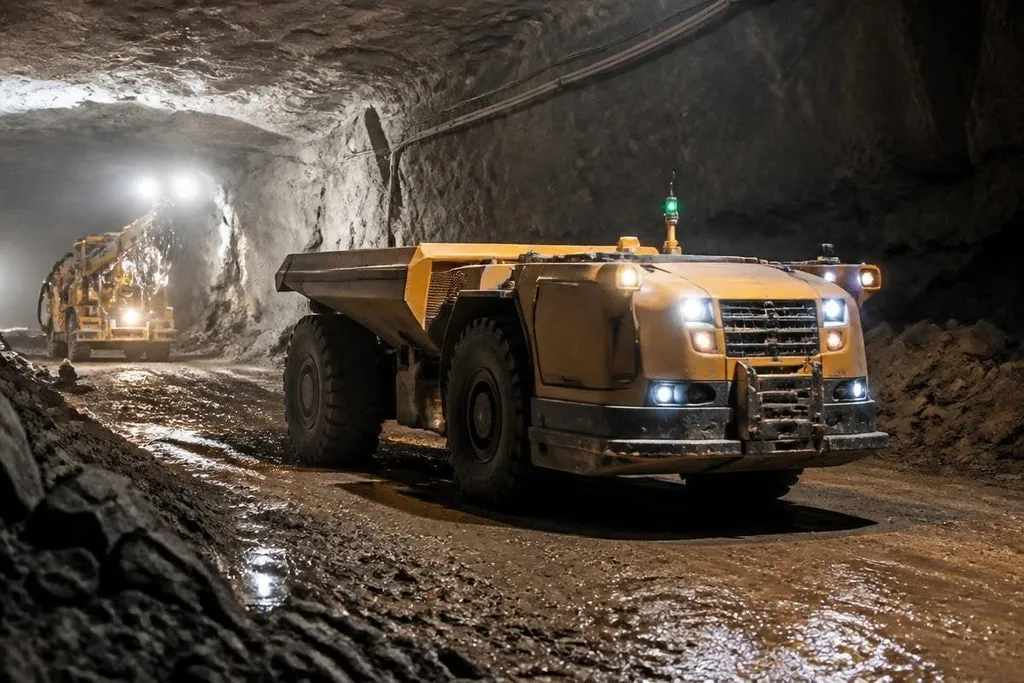
Autonomous mining equipment can move, drill, load, and haul without a person sitting in the cab. The hard question is what happens when dust blocks a sensor, a radio link drops, or ground conditions change.
Mining companies considering automation need a plan for those failures, not only a smooth demonstration. The useful test is whether the system keeps people away from danger while maintaining safe, steady work underground.
- Safety comes first: remote operation must leave people out of active work areas.
- The mine stays connected: autonomy depends on reliable maps, sensors, positioning, and communications.
- Maintenance decides the value: equipment that needs frequent manual recovery may shift work rather than remove it.
What autonomous equipment has to handle
An autonomous mine is not one robot doing every job. It is a group of machines and control systems working around a shared map, set of rules, and work plan.
A haul truck may follow a planned route between a loading point and a dump area. A drill may hold a position while it places holes. A loader may move material inside a defined zone. Each task has different risks, sensors, and limits.
That division matters because a failure in one task can affect the rest of the site.
If a loader stops in a narrow passage, a truck may need a new route. If a map changes after blasting, the control system needs a safe way to update its view before equipment moves again.
The mine also needs a clear handoff between automated and human work. A technician may need to inspect equipment, remove an obstruction, or take control of a machine. The system has to show its state plainly, including why it stopped and what must happen next.
Sensors are only part of the problem
Cameras, LiDAR, radar, and other sensors can help a machine detect walls, vehicles, people, and changes in the road. They do not remove the need for rules about speed, distance, access, and emergency stops.
Underground sites add more limits. Darkness, dust, water, vibration, uneven ground, and narrow routes can change what a sensor sees. A machine that works well on a clean test route may need a different setup in a working mine.
Positioning also needs care. Satellite signals cannot guide equipment underground, so a mine may depend on fixed markers, local radio systems, inertial sensors, or map-based location. Each method can lose accuracy or need maintenance.
Those location limits matter when a mine links equipment to a control room. Robot24.com's mining robotics reporting can place claims about machine control beside underground conditions, signal systems, and the staff who must step in when positioning fails.
The control room changes the job
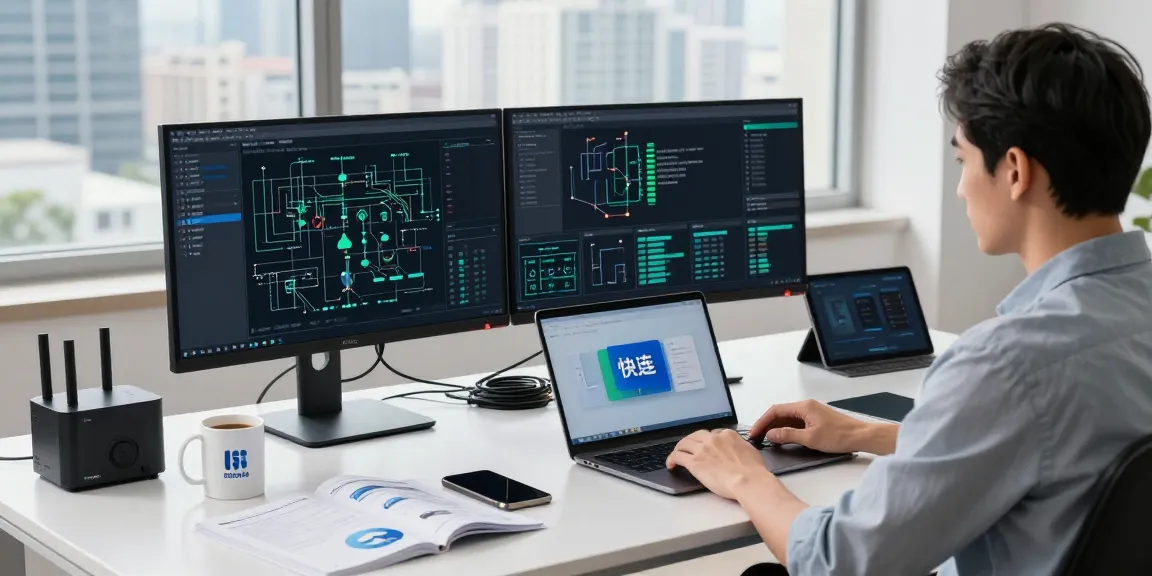
Autonomy does not mean the mine runs without people. Some work can shift out of the vehicle cab and into a control room, where operators watch several machines and respond when the system asks for help.
That creates a new set of needs. The operator must see enough detail to make a safe decision, while alarms need to separate a stopped machine from a serious site hazard. Too much noise can slow a response. Too little information can force a person to send someone into the work area to investigate.
Training changes too. Staff need to understand the machine’s normal behavior, its safe operating limits, and the steps for recovery. A mine that buys automated equipment without planning these jobs may gain machinery and lose the people who know how to fix it.
The business case depends on recovery time
A machine that works for a full shift but needs long manual recovery after a small fault may offer less value than its brochure suggests. The useful measure is not the number of automated hours alone. It is how much safe production continues after interruptions.
Mining companies should ask suppliers to show how the system handles a blocked route, a lost connection, a sensor fault, and a person entering a restricted area. They should also ask which tasks still need an operator on site.
The proof should include normal work and recovery. A short demonstration on a prepared route says little about maintenance, changing ground, or the time needed to restore service.
A buying checklist for mine automation
Before a pilot moves into live work, check that the plan includes:
- Defined work zones: mark where people and automated machines may operate.
- Recovery steps: record who takes control, how the machine stops, and how work restarts.
- Sensor limits: test dust, darkness, water, vibration, and changes to the route.
- Communication loss: set the machine’s behavior when the control link drops.
- Maintenance access: confirm how technicians reach the equipment without entering an active hazard area.
- Clear measures: track safe operating time, stopped-machine time, manual interventions, and recovery time.
Autonomous mines will need more than machines that can follow a route. They will need control systems that explain their decisions, staff who can recover faults, and operating rules that hold when the planned route no longer exists. I'd wait for that evidence before treating autonomy as a mine-wide answer.